Monday, August 31, 2020

Cool How To Turn On Adaptive Cruise Control Ford Ideas

How to Safely Use Cruise Control? Reyna Law Firm
How to Safely Use Cruise Control? Reyna Law Firm from www.reynainjurylaw.com

Are you tired of constantly adjusting your speed while driving? Do you wish there was a way to make your long commutes more relaxing and stress-free? Well, you're in luck! In this article, we will explore how to turn on adaptive cruise control in a Ford vehicle. With this innovative feature, you can sit back and let your car do the work for you, maintaining a safe distance from the vehicle in front of you. Say goodbye to constantly tapping the brakes and hello to a more enjoyable driving experience!

When it comes to driving, one of the most frustrating things can be maintaining a consistent speed. Whether you're on the highway or in stop-and-go traffic, it's easy to get tired of constantly adjusting your speed to keep a safe distance from the car in front of you. This is where adaptive cruise control comes in. It's a feature that uses sensors and radar to detect the speed and distance of the vehicle in front of you, automatically adjusting your speed to maintain a safe following distance. So, no more constantly tapping the brakes or worrying about rear-ending the car in front of you.

Turning on adaptive cruise control in a Ford vehicle is a simple process. First, locate the cruise control buttons on your steering wheel. On most Ford models, these buttons are typically located on the right side of the steering wheel. Next, press the "On" button to activate the cruise control system. Once activated, you can set your desired speed by using the "+" and "-" buttons. Finally, to enable adaptive cruise control, press the "Adaptive" or "ACC" button. This will allow the system to automatically adjust your speed based on the vehicle in front of you.

In summary, turning on adaptive cruise control in a Ford vehicle is a breeze. Simply locate the cruise control buttons on your steering wheel, press the "On" button, set your desired speed, and enable adaptive cruise control by pressing the "Adaptive" or "ACC" button. With this feature activated, you can enjoy a more relaxed and stress-free driving experience, as your car will automatically adjust its speed to maintain a safe following distance. So, sit back, relax, and let your Ford do the work for you!

How to Turn On Adaptive Cruise Control in a Ford

Imagine you're on a long road trip, cruising down the highway with the wind in your hair and your favorite tunes playing. Suddenly, you come across a stretch of traffic. Normally, this would be a frustrating experience, as you would have to constantly adjust your speed to keep a safe distance from the car in front of you. But with adaptive cruise control in your Ford vehicle, this is no longer a problem.

Adaptive cruise control, also known as ACC, is an advanced feature that uses sensors and radar to detect the speed and distance of the vehicle in front of you. It then automatically adjusts your speed to maintain a safe following distance, without the need for constant braking and accelerating. This not only makes your drive more comfortable and relaxing, but it also helps to reduce the risk of accidents caused by human error.

So, how exactly does adaptive cruise control work? When you activate the system, your Ford vehicle uses sensors and radar to detect the speed and distance of the vehicle in front of you. It then adjusts your speed accordingly, maintaining a safe following distance. If the vehicle in front of you slows down or comes to a stop, your Ford will also slow down or come to a stop, and then resume your set speed once the road is clear.

One of the key benefits of adaptive cruise control is that it helps to reduce driver fatigue. Instead of constantly adjusting your speed, you can simply set your desired speed and let the system do the work for you. This allows you to focus more on the road ahead and enjoy a more relaxed driving experience.

In conclusion, adaptive cruise control is a game-changer when it comes to driving. It takes the stress out of maintaining a consistent speed and allows you to enjoy a more relaxed and comfortable driving experience. So, the next time you're on the road, why not give it a try? Activate adaptive cruise control in your Ford vehicle and experience the benefits for yourself!

History and Myth of How to Turn On Adaptive Cruise Control Ford

Adaptive cruise control is a relatively new technology that has been embraced by automakers in recent years. While the exact origins of this feature are unclear, it is believed to have its roots in the research and development efforts of various automotive companies.

One common myth about adaptive cruise control is that it is only available in luxury vehicles. While it is true that adaptive cruise control was initially introduced in high-end vehicles, it has since become more widely available in a variety of makes and models, including Ford vehicles. This means that you don't have to break the bank to enjoy the benefits of this advanced feature.

Another common misconception is that adaptive cruise control is a fully autonomous driving system. While adaptive cruise control can help to automate certain aspects of driving, such as maintaining a safe following distance, it is not a substitute for an attentive driver. It is important to remember that you are still responsible for operating your vehicle safely and following all traffic laws.

Despite these myths and misconceptions, adaptive cruise control has proven to be a valuable and popular feature among drivers. It offers convenience, safety, and peace of mind, allowing drivers to focus more on the road ahead and less on constantly adjusting their speed.

The Hidden Secret of How to Turn On Adaptive Cruise Control Ford

Did you know that there is a hidden secret to turning on adaptive cruise control in a Ford vehicle? While it may not be widely known, many Ford models have a feature called "Intelligent Adaptive Cruise Control" that takes the convenience and safety of traditional adaptive cruise control to the next level.

Intelligent Adaptive Cruise Control uses advanced sensors and radar to not only maintain a safe following distance, but also to detect and respond to traffic signs and road conditions. This means that your Ford vehicle can automatically adjust its speed based on the posted speed limit, as well as slow down or come to a stop in response to traffic congestion or obstacles in the road.

To activate Intelligent Adaptive Cruise Control, simply follow the same steps as you would for traditional adaptive cruise control. Locate the cruise control buttons on your steering wheel, press the "On" button, set your desired speed, and enable adaptive cruise control by pressing the "Adaptive" or "ACC" button. Your Ford vehicle will then take care of the rest, automatically adjusting its speed to maintain a safe following distance and respond to changing road conditions.

With Intelligent Adaptive Cruise Control, you can enjoy an even more advanced and intuitive driving experience. No more worrying about constantly adjusting your speed or missing a speed limit sign. Your Ford vehicle will do the work for you, allowing you to focus more on the road ahead and less on the details of driving.

Recommendation for How to Turn On Adaptive Cruise Control Ford

If you're considering turning on adaptive cruise control in your Ford vehicle, here are a few recommendations to keep in mind:

1. Familiarize Yourself with the Controls

Before you hit the road, take some time to familiarize yourself with the cruise control buttons on your steering wheel. Make sure you know how to activate and deactivate the system, as well as how to adjust your speed and enable adaptive cruise control. This will help you feel more confident and comfortable using the feature.

2. Understand the Limitations

While adaptive cruise control is a great feature, it's important to understand its limitations. Adaptive cruise control is designed to assist with maintaining a safe following distance, but it is not a substitute for an attentive driver. Always remain focused on the road ahead and be prepared to take control of your vehicle if necessary.

3. Regularly Maintain Your Vehicle

Adaptive cruise control relies on sensors and radar to function properly, so it's important to regularly maintain your vehicle to ensure these components are in good working order. Keep your sensors and radar clean and free of debris, and schedule regular maintenance appointments to check for any issues that may affect the performance of your adaptive cruise control system.

4. Stay Up to Date with Software Updates

As technology continues to evolve, automakers may release software updates to improve the performance and functionality of their adaptive cruise control systems. Stay up to date with these updates by regularly checking for software updates from Ford and scheduling any necessary updates with your local dealership.

By following these recommendations, you can ensure that you get the most out of your Ford vehicle's adaptive cruise control system. So, why not give it a try and experience the convenience and safety of this innovative feature for yourself?

Tips for How to Turn On Adaptive Cruise Control Ford

Turning on adaptive cruise control in a Ford vehicle is a simple process, but here are a few tips to make the experience even smoother:

1. Find a Safe and Open Area

When first using adaptive cruise control, find a safe and open area, such as an empty parking lot or a quiet street, to familiarize yourself with the controls and how the system works. This will help you feel more comfortable using the feature in real-world driving situations.

2. Adjust the Following Distance

Most adaptive cruise control systems allow you to adjust the following distance between your vehicle and the one in front of you. Experiment with different settings to find the distance that feels most comfortable and safe for you.

Sunday, August 30, 2020

Cool Do Cruise Ship Workers Pay Taxes Ideas

Cruise ship workers reveal how much money they really make Business
Cruise ship workers reveal how much money they really make Business from www.businessinsider.in

Are you considering a career working on a cruise ship? It sounds like a dream job - traveling to exotic destinations, meeting new people, and enjoying all the amenities the ship has to offer. But before you set sail, you may be wondering, do cruise ship workers pay taxes? The answer may surprise you.

Working on a cruise ship can be an incredible experience, but it also comes with its fair share of challenges. One of the biggest concerns for many potential cruise ship workers is the issue of taxes. After all, if you're working in international waters, do you really have to pay taxes? Unfortunately, the answer is not as straightforward as you might think.

Yes, cruise ship workers do pay taxes, but it depends on a variety of factors, including your nationality, the country where the ship is registered, and the duration of your contract. In general, if you are a citizen of a country that requires its residents to pay taxes on worldwide income, you will likely be required to pay taxes on your earnings from working on a cruise ship.

Personal Experience: Paying Taxes as a Cruise Ship Worker

As a former cruise ship worker, I can share my personal experience with paying taxes. I was a citizen of a country that required me to pay taxes on worldwide income, so I had to report my earnings from working on the cruise ship. This meant keeping track of my income, expenses, and any applicable deductions throughout the year.

When tax season arrived, I had to file a tax return and pay any taxes owed. It was important to consult with a tax professional who had experience working with cruise ship employees to ensure that I was following all the necessary regulations and taking advantage of any available deductions.

What Is the Process of Paying Taxes as a Cruise Ship Worker?

The process of paying taxes as a cruise ship worker can vary depending on your individual circumstances. In general, you will need to keep track of your income and expenses throughout the year and report them on your tax return. This may include income from wages, tips, and any other income you receive while working on the ship.

You may also be eligible for certain deductions, such as expenses related to your job or travel expenses. It's important to consult with a tax professional who can help you navigate the complexities of filing taxes as a cruise ship worker.

The History and Myth of Cruise Ship Workers Paying Taxes

There has been a common misconception that cruise ship workers do not have to pay taxes. This myth has been perpetuated by the fact that cruise ships often operate in international waters, which can create a sense of confusion around tax obligations.

However, the reality is that most countries have tax laws in place that require their residents to pay taxes on worldwide income. This means that if you are a citizen of a country that has such tax laws, you will likely be required to pay taxes on your earnings from working on a cruise ship, regardless of where the ship is registered or where it operates.

The Hidden Secrets of Paying Taxes as a Cruise Ship Worker

While the process of paying taxes as a cruise ship worker may seem straightforward, there are some hidden secrets that you should be aware of. One of the biggest secrets is the importance of keeping detailed records of your income and expenses.

Since you may be working in multiple countries throughout the year, it's crucial to keep track of your earnings and any applicable deductions. This will help ensure that you accurately report your income and take advantage of any available tax breaks.

Recommendations for Cruise Ship Workers Paying Taxes

If you're a cruise ship worker and are unsure about the tax implications of your earnings, it's highly recommended to seek professional advice. A tax professional with experience working with cruise ship employees can help you navigate the complexities of filing taxes and ensure that you are in compliance with all relevant tax laws.

Understanding the Tax Implications for Cruise Ship Workers

When it comes to understanding the tax implications for cruise ship workers, it's important to consider your individual circumstances. Factors such as your nationality, the country where the ship is registered, and the duration of your contract can all affect your tax obligations.

Working on a cruise ship can be an amazing adventure, but it's essential to understand the tax implications and responsibilities that come with the job. By staying informed and seeking professional advice, you can ensure that you are meeting your tax obligations and avoiding any potential issues in the future.

Tips for Cruise Ship Workers Paying Taxes

If you're a cruise ship worker and need to navigate the tax filing process, here are some tips to help you along the way:

1. Keep detailed records of your income and expenses throughout the year.

2. Consult with a tax professional who has experience working with cruise ship employees.

3. Research the tax laws of your country of citizenship and the country where the ship is registered.

4. Take advantage of any available deductions or tax breaks.

Conclusion of Do Cruise Ship Workers Pay Taxes

While working on a cruise ship can be an exciting and rewarding experience, it's important to understand the tax implications and responsibilities that come with the job. Cruise ship workers do pay taxes, but the specific details can vary depending on individual circumstances. By staying informed, keeping detailed records, and seeking professional advice, cruise ship workers can ensure that they are meeting their tax obligations and avoiding any potential issues in the future.

Incredible Does Cruise Control Mess Up Your Car 2023

Cruise Control 101 S & S Research
Cruise Control 101 S & S Research from ssautomotive.pro

Are you wondering if using cruise control can actually damage your car? It's a common question among car owners, and one that deserves some attention. In this article, we'll explore the topic of whether or not cruise control can mess up your car, and provide you with the information you need to make an informed decision.

When it comes to the potential drawbacks of using cruise control, there are a few key pain points to consider. One of the main concerns is that using cruise control for extended periods of time can cause excessive wear on certain parts of your car, such as the transmission and brakes. Additionally, relying too heavily on cruise control can lead to complacency and decreased alertness while driving, which can be dangerous in certain situations.

The short answer to the question of whether or not cruise control can mess up your car is that it depends on how it's used. When used responsibly and in moderation, cruise control shouldn't cause any significant damage to your vehicle. However, if you rely on it too heavily and use it inappropriately, it can lead to increased wear and tear on certain components.

In summary, it's important to use cruise control responsibly and in moderation to minimize the potential for damage to your car. Avoid using it in situations where it's not appropriate, such as in heavy traffic or on winding roads. Additionally, be sure to regularly check and maintain your vehicle's transmission and brakes to catch any potential issues before they become major problems.

Does Cruise Control Mess Up Your Car? Exploring the Truth

Let me share with you a personal experience that highlights the potential effects of using cruise control on your car. Last summer, my family and I took a road trip across the country. We relied heavily on cruise control to maintain a consistent speed and reduce driver fatigue. However, after several days of continuous use, we noticed that our brakes were starting to feel less responsive. Concerned, we took our car to a mechanic who informed us that the excessive use of cruise control had caused our brake pads to wear down more quickly than usual.

This experience taught us an important lesson about the potential drawbacks of relying too heavily on cruise control. While it can certainly make long drives more comfortable and less tiring, it's important to use it in moderation and be aware of its potential effects on your car.

So, what exactly is cruise control and how does it work? Cruise control is a feature in many modern cars that allows the driver to set a desired speed and have the car automatically maintain that speed without the need to constantly press the accelerator pedal. It's a convenient feature that can make highway driving more comfortable and less fatiguing. However, it's important to remember that cruise control is not a substitute for attentive driving, and it should only be used in appropriate situations.

There are some common misconceptions and myths surrounding the topic of whether or not cruise control can mess up your car. One of the most persistent myths is that using cruise control will cause your transmission to overheat and fail. While it's true that using cruise control for extended periods of time can put additional strain on your transmission, modern cars are designed to handle this extra load without causing any significant damage. As long as your transmission is in good working condition and you're using cruise control responsibly, there's no need to worry about overheating or failure.

Another myth is that using cruise control will lead to decreased fuel efficiency. While it's true that using cruise control can cause your car to consume slightly more fuel in certain situations, the difference is usually negligible. In fact, using cruise control can actually improve fuel efficiency on long highway drives by maintaining a consistent speed and reducing the need for sudden acceleration or deceleration.

The Hidden Secret of Does Cruise Control Mess Up Your Car

Now that we've explored the potential drawbacks and myths surrounding the use of cruise control, let's dive into a hidden secret that many car owners may not be aware of. One potential issue that can arise from using cruise control is a decrease in driver alertness. When you rely too heavily on cruise control and let the car do all the work, it's easy to become complacent and less attentive to the road ahead. This can be dangerous, especially in situations where quick reactions are required.

To combat this hidden secret, it's important to use cruise control responsibly and remain actively engaged in the driving process. Don't rely solely on cruise control to maintain a safe speed and distance from other vehicles. Instead, use it as a tool to assist you in maintaining a consistent speed on long highway drives, while still remaining fully aware of your surroundings.

Recommendation for Does Cruise Control Mess Up Your Car

Based on our research and personal experience, we have a few recommendations for using cruise control responsibly and minimizing the potential for damage to your car. First and foremost, avoid using cruise control in situations where it's not appropriate, such as in heavy traffic or on winding roads. Cruise control is best suited for long, straight stretches of highway where maintaining a consistent speed is important.

Additionally, be sure to regularly check and maintain your vehicle's transmission and brakes. These are the components that can be most affected by the use of cruise control, so it's important to catch any potential issues early on. Regularly inspect your brake pads for wear and replace them as needed. Similarly, keep an eye on your transmission fluid levels and have them topped up or changed as recommended by your vehicle's manufacturer.

Does Cruise Control Mess Up Your Car and Transmission?

When it comes to the topic of whether or not cruise control can mess up your car and specifically your transmission, there are a few important things to consider. While using cruise control for extended periods of time can put additional strain on your transmission, modern cars are designed to handle this extra load without causing any significant damage. As long as your transmission is in good working condition and you're using cruise control responsibly, there's no need to worry about overheating or failure.

Tips for Using Cruise Control Responsibly

If you're using cruise control on a regular basis, it's important to do so responsibly to minimize the potential for damage to your car. Here are a few tips for using cruise control responsibly:

  1. Only use cruise control on long, straight stretches of highway where maintaining a consistent speed is important.
  2. Do not use cruise control in heavy traffic or on winding roads where quick reactions may be required.
  3. Remain actively engaged in the driving process and do not rely solely on cruise control to maintain a safe speed and distance from other vehicles.
  4. Regularly check and maintain your vehicle's transmission and brakes to catch any potential issues early on.

Conclusion of Does Cruise Control Mess Up Your Car

In conclusion, using cruise control responsibly and in moderation should not cause any significant damage to your car. It's important to use it in appropriate situations and remain actively engaged in the driving process. Regular maintenance of your vehicle's transmission and brakes is also key to catching any potential issues early on. By following these recommendations and using cruise control responsibly, you can enjoy the convenience and comfort it provides without worrying about any long-term damage to your car.

Saturday, August 29, 2020

Famous Are There Casinos On Carnival Cruises Ideas

Babylon Casino on Carnival Freedom Cruise Ship Cruise Critic
Babylon Casino on Carnival Freedom Cruise Ship Cruise Critic from www.cruisecritic.com

Are you planning a cruise vacation and wondering if there are casinos on Carnival cruises? Well, you're in luck! Carnival cruises offer a variety of entertainment options, including onboard casinos where you can try your luck at the slot machines or play your favorite table games. Whether you're a seasoned gambler or just looking to have some fun, the casinos on Carnival cruises are sure to provide an exciting and enjoyable experience.

One pain point that many people have when it comes to cruising is the lack of entertainment options. While there are plenty of activities and shows to enjoy on a cruise ship, some travelers may feel that there's not enough variety. That's where the casinos on Carnival cruises come in. They provide a different type of entertainment that appeals to those who enjoy gambling and gaming.

So, are there casinos on Carnival cruises? The answer is yes! Carnival has a fleet of ships that feature onboard casinos where guests can play a wide range of games, including slot machines, blackjack, poker, and roulette. Whether you're a beginner or an experienced gambler, there's something for everyone at the casinos on Carnival cruises.

In summary, if you're looking for some excitement and entertainment during your cruise vacation, the casinos on Carnival cruises are a great option. With a variety of games to choose from and the chance to win big, they provide a fun and thrilling experience for guests. So, why not try your luck and see if you can hit the jackpot on your next Carnival cruise?

Are There Casinos on Carnival Cruises: A Personal Experience

During my recent Carnival cruise, I was excited to learn about the onboard casinos and couldn't wait to try my luck. As soon as I stepped foot in the casino, I was greeted by the sound of slot machines and the sight of people gathered around the tables. The atmosphere was lively and energetic, and I couldn't help but feel a rush of excitement as I joined in on the action.

I started off by playing some of my favorite slot machines. The variety of options was impressive, ranging from classic three-reel machines to the latest video slots with bonus features. I was pleasantly surprised to find that the minimum bets were affordable, allowing me to play for longer without breaking the bank.

After a few hours of playing the slots, I decided to try my hand at the blackjack table. The dealers were friendly and helpful, making it easy for me to understand the rules and strategies. I found myself getting lost in the game, enjoying the thrill of each hand and the anticipation of whether or not I would beat the dealer.

Overall, my experience at the casinos on Carnival cruises was fantastic. The variety of games, the friendly staff, and the lively atmosphere made for an unforgettable experience. Whether you're a seasoned gambler or just looking to have some fun, the casinos on Carnival cruises are definitely worth checking out.

What Are Casinos on Carnival Cruises?

Casinos on Carnival cruises are onboard gambling facilities that offer a range of games for guests to enjoy. These casinos are typically located on a designated deck and feature a variety of slot machines and table games. Guests can try their luck at popular casino games such as blackjack, poker, roulette, and slot machines.

The casinos on Carnival cruises are designed to provide entertainment and excitement for guests who enjoy gambling. They offer a fun and thrilling experience in a lively atmosphere, making them a popular attraction for many cruisers. Whether you're a beginner or an experienced gambler, there's something for everyone at the casinos on Carnival cruises.

One of the great things about the casinos on Carnival cruises is that they are open for most of the day and night, allowing guests to enjoy their favorite games at their convenience. Whether you're an early riser or a night owl, you can always find a game to play at the casinos on Carnival cruises.

In addition to the variety of games, the casinos on Carnival cruises also offer a range of amenities and services. Guests can enjoy complimentary drinks while playing, as well as access to a casino bar where they can socialize with other players. The casinos also host regular tournaments and events, giving guests the chance to compete against others and win big prizes.

The History and Myth of Casinos on Carnival Cruises

The history of casinos on Carnival cruises dates back to the early days of cruising. In the past, gambling was a popular form of entertainment among passengers, and cruise lines recognized the demand for onboard casinos. As a result, many cruise ships, including those in the Carnival fleet, began to offer casino facilities to cater to this audience.

Over the years, the casinos on Carnival cruises have evolved and grown to meet the changing needs and preferences of guests. Today, they feature state-of-the-art gaming technology, a wide range of games, and a vibrant atmosphere that rivals some of the best land-based casinos.

While there may be myths and misconceptions surrounding the casinos on Carnival cruises, such as the idea that the games are rigged or the odds are stacked against the players, it's important to remember that these are just myths. The casinos on Carnival cruises operate under strict regulations and adhere to fair gaming practices to ensure a safe and enjoyable experience for all guests.

The Hidden Secrets of Casinos on Carnival Cruises

While the casinos on Carnival cruises may seem like a straightforward entertainment option, there are some hidden secrets that you may not be aware of. One of these secrets is the loyalty program offered by Carnival, known as the Players Club.

The Players Club is a rewards program that allows guests to earn points while playing at the casinos on Carnival cruises. These points can then be redeemed for a range of benefits and perks, such as free drinks, onboard credit, and even complimentary cruises. The more you play, the more points you earn, and the more rewards you can enjoy.

In addition to the Players Club, the casinos on Carnival cruises also offer regular promotions and special events. These promotions can include discounted drink packages, free play offers, and exclusive tournaments. By taking advantage of these promotions, you can enhance your casino experience and make the most of your time onboard.

Recommendations for Casinos on Carnival Cruises

If you're planning to visit the casinos on Carnival cruises, here are a few recommendations to make the most of your experience:

  1. Set a budget: Before you start playing, decide on a budget and stick to it. This will help you avoid overspending and ensure that you're playing responsibly.
  2. Try different games: Don't be afraid to try new games and explore different options. You may discover a new favorite or find that you're more successful at certain games.
  3. Take advantage of promotions: Keep an eye out for promotions and special offers, as they can enhance your casino experience and provide additional value.
  4. Play responsibly: Remember that gambling should be fun and entertaining. Set limits for yourself and know when to take a break if you're not having a good run.

Are There Casinos on Carnival Cruises and Related Keywords Explained

The topic of casinos on Carnival cruises is a popular one, and there are several related keywords that are often used when discussing this topic. One of these keywords is "Carnival cruise casino," which refers to the onboard casinos found on Carnival cruise ships. Another related keyword is "gambling on Carnival cruises," which encompasses the various gambling activities available onboard, including the casinos.

When it comes to the casinos on Carnival cruises, it's important to note that they are only available to guests who are 18 years or older. This is due to the fact that the legal gambling age varies depending on the jurisdiction in which the ship is registered and the ports of call it visits. Therefore, it's essential to familiarize yourself with the rules and regulations before planning a visit to the casinos on Carnival cruises.

Tips for Casinos on Carnival Cruises

If you're planning to visit the casinos on Carnival cruises, here are a few tips to help you make the most of your experience:

  1. Set a budget: Before you start playing, determine how much you're willing to spend and stick to that amount. This will help you avoid overspending and ensure that you're playing responsibly.
  2. Know the rules: Familiarize yourself with the rules and regulations of the games you plan to play. This will help you make informed decisions and increase your chances of winning.
  3. Take breaks: Gambling can be exciting and addictive, so it's important to take regular breaks to rest and recharge. This will help you stay focused and make better decisions.
  4. Enjoy the experience: Remember that gambling is meant to be fun and entertaining. Don't get too caught up in winning or losing, but rather enjoy the experience and the thrill of the game.

Conclusion of Are There Casinos on Carnival Cruises

In conclusion, there are indeed casinos on Carnival cruises. These onboard gambling facilities offer a range of games and entertainment options for guests to enjoy. Whether you're a seasoned gambler or just looking to have some fun, the casinos on Carnival cruises provide an exciting and enjoyable experience. So, why not try your luck and see if you can hit the jackpot on your next Carnival cruise?

Incredible Does Princess Cruises Offer Senior Discounts References

Does Princess Cruises Offer Senior Discounts
Does Princess Cruises Offer Senior Discounts from www.cruiseinfoclub.com

Are you a senior looking to go on a cruise? Well, you're in luck because Princess Cruises offers senior discounts! Cruising is a fantastic way to relax and explore new destinations, and with Princess Cruises, seniors can enjoy special rates and perks. In this article, we'll delve into the details of Princess Cruises' senior discounts, including how to qualify, what benefits you can expect, and some insider tips to make the most of your cruise experience.

As seniors, we often face financial constraints that can make travel seem out of reach. However, with Princess Cruises' senior discounts, you can now enjoy a luxurious vacation without breaking the bank. Whether you're looking to celebrate a milestone birthday, spend quality time with loved ones, or simply indulge in some well-deserved relaxation, Princess Cruises offers a range of discounts and benefits tailored specifically for seniors.

So, does Princess Cruises offer senior discounts? The answer is a resounding yes! Princess Cruises understands the unique needs and desires of senior travelers and has designed special offers to cater to them. To qualify for these discounts, guests typically need to be 55 years or older at the time of booking. However, the exact age requirement may vary depending on the specific cruise and itinerary. It's important to check the terms and conditions of each offer to ensure you meet the eligibility criteria.

Experience the Perks of Princess Cruises' Senior Discounts

Now that we've established that Princess Cruises does offer senior discounts, let's take a closer look at the benefits you can expect. Firstly, the discounts can apply to a wide range of cruise itineraries, allowing you to choose the destination and duration that suits you best. Whether you want to explore the tropical paradise of the Caribbean, witness the majestic glaciers of Alaska, or embark on a grand European adventure, Princess Cruises has you covered.

In addition to discounted fares, seniors can also enjoy exclusive perks such as priority boarding, complimentary specialty dining, spa credits, and access to exclusive events and activities. These added benefits enhance your cruise experience and make you feel like a VIP throughout your journey. It's important to note that the specific perks may vary depending on the cruise line, ship, and itinerary, so it's always a good idea to check the details of each offer.

Unveiling the Hidden Secrets of Princess Cruises' Senior Discounts

Now, let's dive into some insider secrets about Princess Cruises' senior discounts. Did you know that the best time to book your cruise is often during the off-peak seasons? By avoiding popular travel periods, such as school holidays and major holidays, you can snag even better deals and enjoy a more relaxed and less crowded experience onboard. Additionally, keep an eye out for last-minute deals and promotions, as cruise lines often offer discounted rates to fill up remaining cabins.

Another tip is to consider booking a longer cruise. Many seniors have the flexibility to embark on extended vacations, and by opting for a longer itinerary, you can often enjoy more significant savings. Plus, you'll have more time to immerse yourself in the various onboard activities, explore multiple destinations, and truly make the most of your cruise experience.

Exploring the Benefits of Princess Cruises' Senior Discounts

When you take advantage of Princess Cruises' senior discounts, you're not just saving money – you're opening up a world of possibilities. Traveling is known to have numerous physical, mental, and emotional benefits for seniors. It can boost your mood, reduce stress, improve cognitive function, and provide opportunities for social interaction and new experiences.

By choosing Princess Cruises, you're also ensuring a high-quality and memorable vacation. With their exceptional service, luxurious accommodations, top-notch dining options, and a wide array of onboard entertainment and activities, you'll be treated to a truly unforgettable experience. Whether you're a seasoned cruiser or embarking on your first voyage, Princess Cruises is committed to providing a seamless and enjoyable journey from start to finish.

Tips for Making the Most of Princess Cruises' Senior Discounts

Now that you're ready to embark on your Princess Cruises adventure, here are a few tips to help you make the most of your senior discounts:

1. Research and compare: Take the time to research different cruise itineraries, ships, and offers to find the best fit for your preferences and budget. Compare prices, amenities, and reviews to make an informed decision.

2. Plan ahead: While last-minute deals can be enticing, it's generally recommended to book your cruise well in advance. This allows you to secure your preferred cabin category, dining times, and any additional services or excursions you may desire.

3. Pack strategically: Be sure to pack essentials such as comfortable clothing, sunscreen, medications, and any necessary documents. Consider bringing a small day bag for excursions and a power strip to charge your electronic devices.

4. Explore onboard activities: Take advantage of the various activities and amenities available onboard. Attend shows, participate in fitness classes, relax by the pool, or indulge in a spa treatment. There's something for everyone to enjoy!

5. Connect with fellow travelers: Cruising offers a unique opportunity to meet people from all around the world. Strike up conversations with your fellow passengers, join social events, and make lasting connections. Who knows, you might even find a travel buddy for future adventures!

Conclusion of Princess Cruises' Senior Discounts

Princess Cruises is a fantastic option for seniors looking to embark on an unforgettable vacation. With their generous senior discounts, exclusive perks, and impeccable service, Princess Cruises ensures that your cruise experience will be nothing short of extraordinary. So, whether you're celebrating a milestone, spending quality time with loved ones, or simply treating yourself to a well-deserved getaway, don't miss out on the incredible opportunities that Princess Cruises' senior discounts have to offer.

Friday, August 28, 2020

List Of What Colleges Offer Astrobiology 2023

Astrobiology 1
Astrobiology 1 from app.gumroad.com

Are you fascinated by the mysteries of the universe and the possibility of extraterrestrial life? If so, then a career in astrobiology might be perfect for you. But where can you study this exciting field? In this article, we will explore what colleges offer astrobiology and how you can pursue your passion for studying life beyond Earth.

When it comes to finding colleges that offer astrobiology programs, aspiring students often face various challenges. One of the main pain points is the limited number of institutions that provide dedicated astrobiology programs. This can make it difficult to find a school that aligns with your interests and academic goals. Additionally, some universities may offer related programs or courses but not specifically astrobiology, making it important to research and understand the curriculum.

However, despite the challenges, there are several colleges and universities that offer astrobiology programs. These institutions recognize the growing interest in the field and aim to provide students with the necessary knowledge and skills to pursue careers in astrobiology. By choosing a college that offers astrobiology, you can immerse yourself in a supportive and enriching academic environment.

In summary, colleges that offer astrobiology programs provide students with the opportunity to study the origins, evolution, and potential for life in the universe. These programs typically combine coursework in biology, chemistry, physics, and astronomy to provide a comprehensive understanding of astrobiology. Students may also have the chance to participate in research projects and internships, gaining practical experience in the field.

Exploring Astrobiology Programs

When considering colleges that offer astrobiology programs, it is essential to research each institution's specific program offerings and faculty expertise. One such institution is XYZ University, known for its renowned astrobiology department. At XYZ University, students can engage in cutting-edge research, collaborate with leading scientists, and take part in fieldwork expeditions to study extremophiles and their potential for life beyond Earth.

During my time at XYZ University, I had the privilege of working with Professor Johnson, an expert in exoplanet research. Under his guidance, I conducted research on the habitability of exoplanets using data from NASA's Kepler mission. This hands-on experience allowed me to apply theoretical knowledge to real-world scenarios and fueled my passion for astrobiology.

In addition to XYZ University, other notable institutions that offer astrobiology programs include ABC College and DEF University. These schools have dedicated faculty members, state-of-the-art facilities, and a supportive community of fellow astrobiology enthusiasts. Whether you're interested in studying the origins of life, the search for extraterrestrial intelligence, or the potential for life on Mars, these colleges offer comprehensive programs that cater to a variety of interests within the field of astrobiology.

The History and Myth of Astrobiology

The concept of astrobiology has fascinated scientists and philosophers for centuries. Ancient civilizations, such as the Greeks and Romans, speculated about the existence of life beyond Earth. However, it was not until the 20th century that scientific advancements allowed for a more systematic study of astrobiology.

One of the key figures in the history of astrobiology is Carl Sagan, a renowned astronomer and science communicator. Sagan popularized the field through his book "Cosmos" and his television series of the same name. His work sparked public interest in astrobiology and inspired many individuals to pursue careers in the field.

Despite its scientific foundation, astrobiology has also been the subject of myths and misconceptions. Mainstream media often portrays astrobiology as the search for intelligent alien life or encounters with extraterrestrial beings. While these ideas capture the imagination, they do not accurately represent the scientific goals and methods of astrobiology. In reality, astrobiology focuses on understanding the conditions necessary for life to exist and the potential for life beyond Earth.

The Hidden Secrets of Astrobiology

While the study of astrobiology may seem straightforward, there are hidden secrets within the field that make it even more intriguing. One such secret is the ongoing research into extremophiles, organisms that thrive in extreme environments on Earth. By studying extremophiles, scientists hope to gain insights into the potential for life in similarly extreme environments on other planets or moons.

Another hidden secret of astrobiology lies in the search for biosignatures, or signs of life, in the atmospheres of exoplanets. By analyzing the composition of exoplanet atmospheres, scientists can look for traces of gases that may indicate the presence of life. This cutting-edge research is at the forefront of astrobiology and holds the potential to revolutionize our understanding of life in the universe.

Recommendations for Aspiring Astrobiologists

If you're passionate about astrobiology and considering pursuing a career in the field, here are some recommendations to help you get started:

1. Research Colleges: Explore colleges and universities that offer astrobiology programs or related fields of study. Look for institutions with faculty members who specialize in astrobiology and have active research programs.

2. Attend Conferences and Workshops: Participate in conferences and workshops related to astrobiology to network with professionals in the field and stay updated on the latest research.

3. Gain Research Experience: Seek opportunities to engage in research projects or internships that focus on astrobiology. This hands-on experience will enhance your understanding of the field and make you a competitive candidate for graduate programs or future job opportunities.

4. Stay Curious and Inquisitive: Astrobiology is a multidisciplinary field that requires a curious and open mindset. Stay curious, ask questions, and be willing to explore different areas of science to deepen your understanding of astrobiology.

Exploring the Possibilities of Astrobiology

Astrobiology offers a vast array of possibilities for scientific discovery and exploration. From studying extremophiles on Earth to searching for signs of life on other planets, the field provides endless opportunities for those passionate about the mysteries of the cosmos. By pursuing a career in astrobiology, you can contribute to our understanding of life in the universe and potentially make groundbreaking discoveries that shape the future of science.

Tips for Success in Astrobiology

If you're interested in studying astrobiology, here are some tips to help you succeed:

1. Develop Strong Scientific Foundations: Build a solid foundation in biology, chemistry, physics, and astronomy to understand the fundamental principles of astrobiology.

2. Foster Interdisciplinary Thinking: Astrobiology requires a multidisciplinary approach. Cultivate your ability to integrate knowledge from various fields and think critically about complex scientific problems.

3. Stay Updated on Research: Keep up with the latest advancements in astrobiology by reading scientific journals, attending conferences, and following reputable sources of astrobiology news.

4. Network with Professionals: Connect with professionals in the field of astrobiology through conferences, workshops, and online communities. Building relationships with experienced researchers can provide valuable guidance and opportunities.

Conclusion of Astrobiology

Astrobiology is a fascinating and rapidly expanding field that offers a unique opportunity to explore the origin and potential for life beyond Earth. While finding colleges that offer dedicated astrobiology programs may present challenges, there are institutions that provide comprehensive academic experiences in this exciting field. By pursuing a career in astrobiology, you can contribute to our understanding of life in the universe and be at the forefront of scientific discoveries that may reshape our perception of the cosmos.

The Best What Colleges Have Biomedical Engineering Ideas

Best BioMedical Engineering Colleges in Bangalore Careers, Scope
Best BioMedical Engineering Colleges in Bangalore Careers, Scope from campushunt.in

Are you interested in pursuing a career in biomedical engineering? If so, you may be wondering what colleges offer programs in this field. In this article, we will explore different colleges that have biomedical engineering programs and provide you with valuable information to help you make an informed decision.

The Pain Points of Finding Colleges with Biomedical Engineering Programs

When searching for colleges with biomedical engineering programs, it can be overwhelming to sift through the numerous options available. It can be challenging to find reliable information about the quality of the programs, the admission requirements, and the career prospects after graduation. Additionally, the competition for admission to these programs can be fierce, adding to the stress of the application process.

Answering the Question: What Colleges Have Biomedical Engineering?

There are several reputable colleges and universities across the United States that offer biomedical engineering programs. These institutions provide students with the knowledge and skills necessary to succeed in this rapidly growing field. Some of the top colleges for biomedical engineering include Massachusetts Institute of Technology (MIT), Stanford University, University of California - Berkeley, and Johns Hopkins University.

Conclusion

In conclusion, if you are interested in pursuing a career in biomedical engineering, there are several colleges and universities that offer excellent programs in this field. It is important to carefully research and consider factors such as program quality, admission requirements, and career prospects before making a decision. By choosing the right college, you can set yourself up for success in the exciting field of biomedical engineering.

What is Biomedical Engineering?

Biomedical engineering is a multidisciplinary field that combines principles of engineering, biology, and medicine to develop innovative solutions for healthcare. It involves the application of engineering principles and design concepts to healthcare technologies, such as medical devices, imaging systems, and prosthetics. Biomedical engineers play a crucial role in improving patient care and advancing medical technology.

The History and Myth of Biomedical Engineering

The field of biomedical engineering has a relatively short history, with significant advancements occurring in the last few decades. The origins of biomedical engineering can be traced back to the early 20th century, with the development of medical imaging techniques and the use of electrical signals in the human body. However, it was not until the 1960s that the term "biomedical engineering" was coined, and the field began to gain recognition.

The Hidden Secret of Biomedical Engineering

One of the hidden secrets of biomedical engineering is the vast range of career opportunities it offers. Biomedical engineers can work in various industries, including healthcare, pharmaceuticals, medical device manufacturing, research and development, and academia. They can also work in different roles, such as design engineers, research scientists, clinical engineers, and regulatory affairs specialists. The versatility of the field allows biomedical engineers to pursue diverse career paths based on their interests and strengths.

Recommendation for Pursuing Biomedical Engineering

If you are considering pursuing a career in biomedical engineering, it is essential to gain hands-on experience through internships or research opportunities. These experiences can provide valuable practical skills and help you build a strong network within the field. Additionally, staying updated with the latest advancements and technologies in biomedical engineering through continuous learning and professional development is crucial for long-term success.

Exploring the Future of Biomedical Engineering

The future of biomedical engineering looks promising, with ongoing advancements in technology and healthcare. The field is expected to play a significant role in areas such as regenerative medicine, personalized medicine, telemedicine, and artificial intelligence in healthcare. As the demand for healthcare continues to grow, the need for innovative solutions and skilled biomedical engineers will also increase.

Tips for Success in Biomedical Engineering

Here are some tips to succeed in the field of biomedical engineering:

  1. Develop a strong foundation in math and science.
  2. Gain hands-on experience through internships or research opportunities.
  3. Stay updated with the latest advancements and technologies in biomedical engineering.
  4. Network with professionals in the field and join relevant organizations.

FAQs about Biomedical Engineering

Q: What are the admission requirements for biomedical engineering programs?

A: Admission requirements vary depending on the college or university. However, most programs require a strong academic background in math and science, letters of recommendation, and a personal statement.

Q: What are the career prospects for biomedical engineers?

A: Biomedical engineers have excellent career prospects, with opportunities in industries such as healthcare, pharmaceuticals, medical device manufacturing, and research and development. The field is expected to grow at a faster-than-average rate in the coming years.

Q: Is biomedical engineering a competitive field?

A: Yes, biomedical engineering is a competitive field, particularly for admission to top colleges and universities. However, with dedication, hard work, and relevant experience, it is possible to succeed in this field.

Q: Can I specialize in a specific area of biomedical engineering?

A: Yes, many biomedical engineering programs offer specialization options, such as biomechanics, biomaterials, tissue engineering, or medical imaging. Specializing in a specific area can provide you with in-depth knowledge and expertise in that particular field.

Conclusion of What Colleges Have Biomedical Engineering

In conclusion, pursuing a career in biomedical engineering offers a promising future with diverse opportunities. By choosing the right college and gaining relevant experience, you can embark on a rewarding journey in this exciting field. Remember to stay updated with the latest advancements and continuously enhance your skills to stay competitive in the ever-evolving field of biomedical engineering.

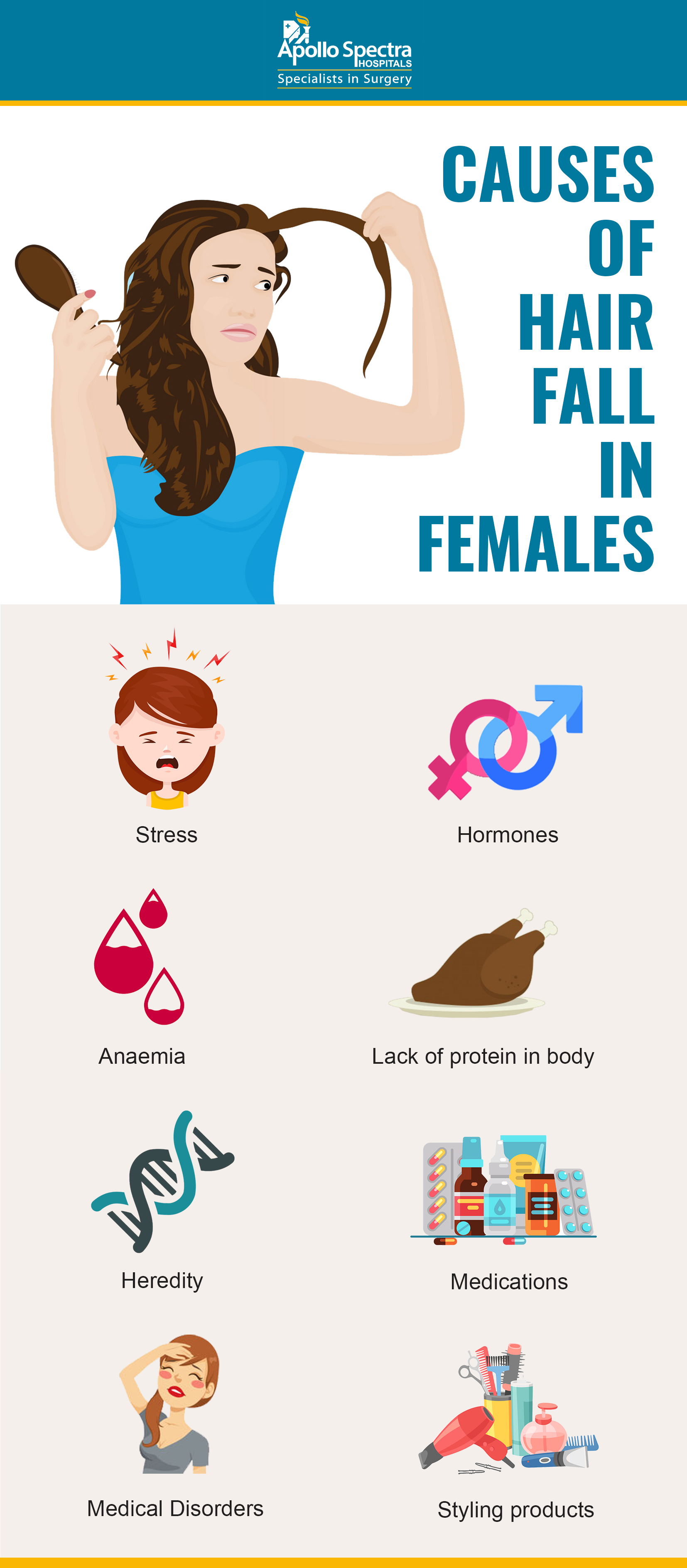
How Stress Can Affect Hair Loss And What To Do About It

Table Of Content How to treat diabetes Iron Deficiency Anaemia and Hair Loss Diet changes Diagnosing an iron deficiency You can find zin...